GRIT Geographic Risk & Information Technology Services Ltd.
Last Updated: December 2, 2025
Please read the following terms carefully before using the GRIT website. This page does not contain the Privacy Policy & GDPR.
1. Definitions
User / Visitor: Real or legal persons accessing the Site.
Services: Software, maps, analysis, reports, APIs, and similar products promoted by GRIT.
2. Content and Copyrights
All content on the Site (text, images, logos, graphics, map layers, code, reports, etc.) is the property of GRIT and is protected by copyright. Copying, distributing, reproducing, or using these contents for commercial purposes without GRIT's written permission is prohibited.
3. Disclaimer
The information on the Site is for promotional purposes and is not sufficient for a risk assessment, actuarial calculation, or policy decision on its own. GRIT takes utmost care for the accuracy of the Site content but cannot be held responsible for errors or outdated information.
4. Use of Services and License
The software, datasets, APIs, and reports offered by GRIT can only be used within the framework of the relevant contract and license conditions. Access, copying, reverse engineering, or reproduction outside the relevant license and contract provisions is prohibited.
5. User Obligations
- Users agree to use the Site only in accordance with the laws and by complying with these conditions.
- Actions that may damage the Site, unauthorized data scraping, or security breaches are strictly prohibited.
- In case of providing false, misleading, or unlawful information, GRIT has the right to initiate necessary legal proceedings.
6. Third Party Content
The Site may contain third-party links (e.g., Google Maps, YouTube). GRIT is not responsible for the content and practices of these links. GRİT cannot be held responsible for any damage caused by these external sites.
7. Limitation of Liability
GRIT cannot be held responsible for any direct, indirect, incidental, or consequential damages, data losses, business interruptions, or loss of profit arising from the use of the Site. Maps and analyses on the Site are for example and information purposes; they do not constitute a definitive result or guarantee.
8. Right to Modify
GRIT reserves the right to change these Terms of Use at any time. Changes become effective as soon as they are published on the Site.
9. Intellectual Property Violations
You can contact us regarding the claim of violation of intellectual property rights of the content on this page or on the Site.
10. Applicable Law and Jurisdiction
These Terms of Use are subject to the legislation of the Republic of Turkey. Samsun courts and enforcement offices are authorized for disputes arising from these conditions.
11. Contact
Address: Samsun Technopark
Email: info@grit.com.tr
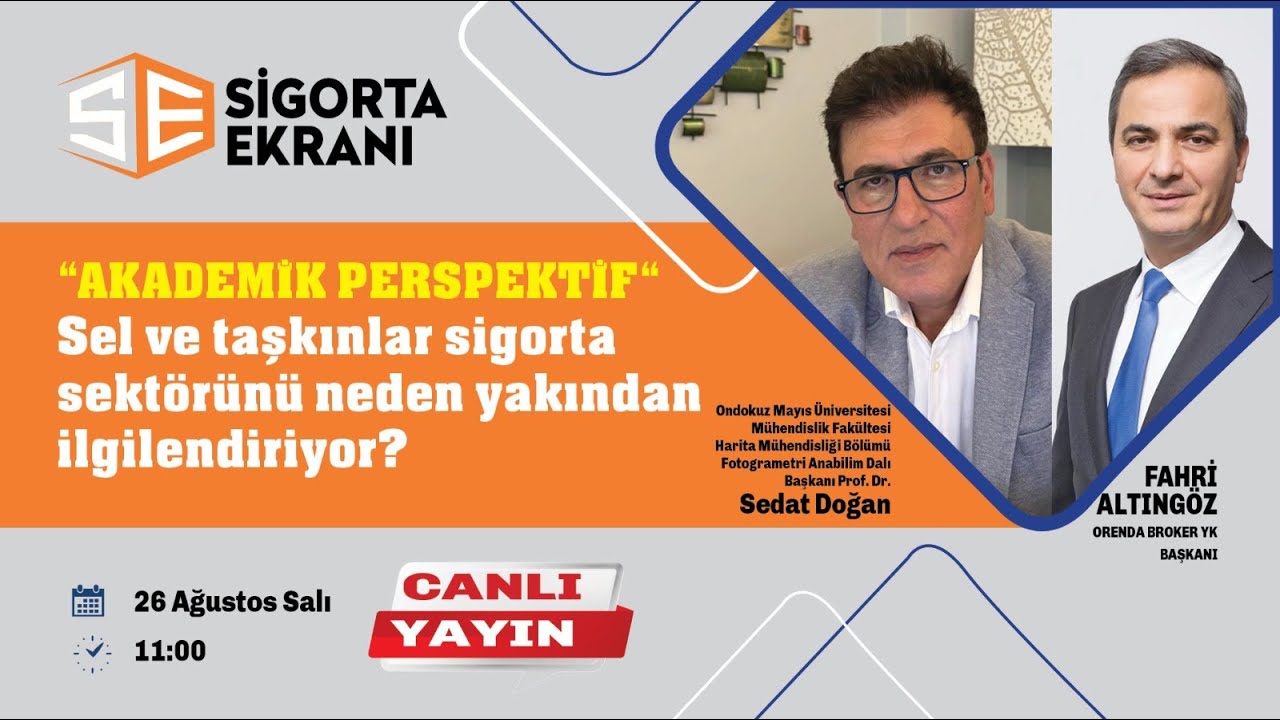
 Interview